
Understanding why we don't react to such catastrophic danger can be confusing, most off all to ourselves. We think this makes it the perfect place to begin becoming more sustainable and also for us starting Gaia's journey.

Jan 22, 2026
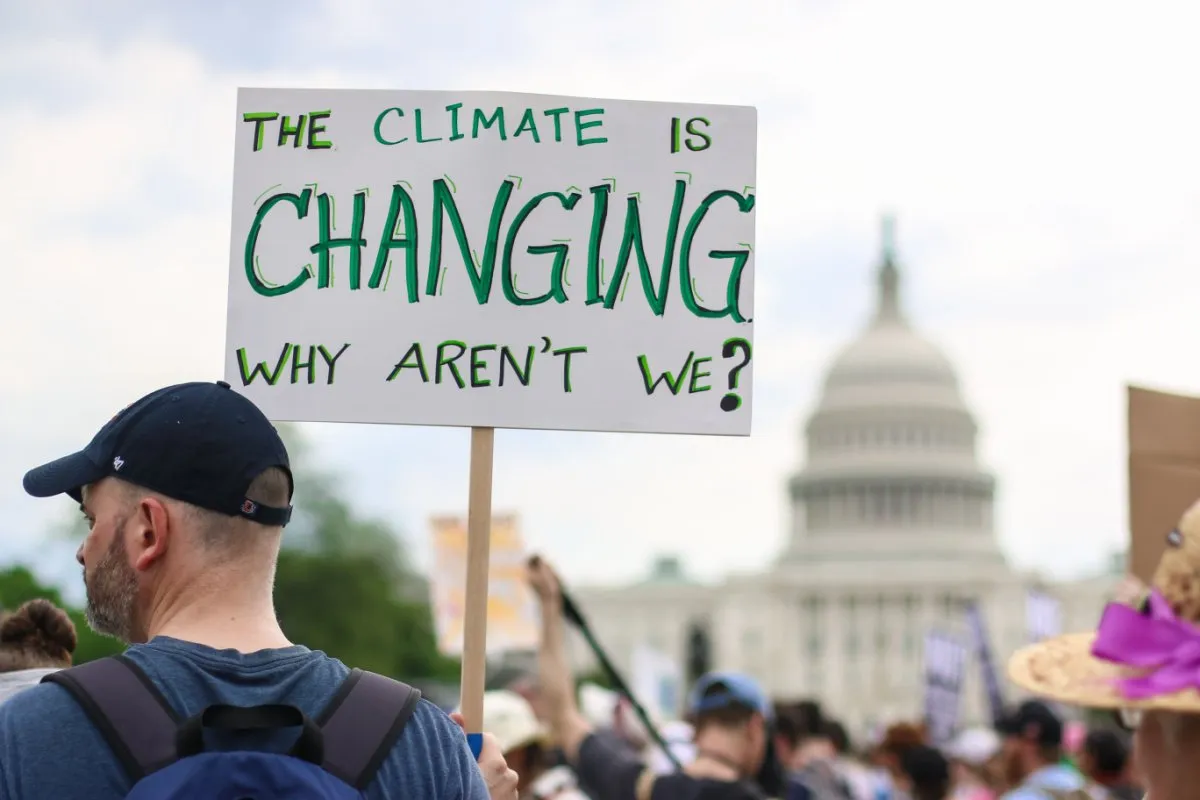
We all know climate change is there, and we all know we needto do something about it. So why, when I walk into a family member’s house,does it feel like being Bear Grylls in the outback with the heating whacked upto a million degrees?
When we began thinking about launching Gaia UK - a business built around helping hosts and guests become more sustainable (and getting rewarded for it!) - I started to look at my own habits and wondered why I wasn’t doing more. I care about the planet, I’ve studied this stuff, and yet my day-to-day behaviour didn’t really reflect that. So I did some digging. The reasons were obvious enough, but figuring out how to actually change my habits without feeling like I needed a full-time sustainability manager… less obvious.
I thought if I could sort myself out first, then share some of the useful nuggets I found buried in long, boring scientific papers, maybe it would help someone else who cares but feels like they’re not doing everything they could.
Let’s start with the “why?”: In short, there are three generally accepted reasons why we humans face this sustainability dilemma. Here’s the fancy psychology phrase followed by my, hopefully simplified, translation:
· Future Discount – We really struggle to fathom a big future return over a small short-term win. I personally think this is amplified by how “fun” something is, because most of us are happy to save up for months for a new games console but struggle with big pension contributions:
o Takeaway: The trick is choosing changes that have instant benefits, either financial or comfort-related, so the “future”reward becomes a “next month” reward.
· Social Norms – This is a pretty well-known one, but sometimes it’s good to admit we travel with the pack. All I can say is, if you were the last one on your street without solar panels, I bet you’d get them, and so would I.
o Takeaway: One small visible upgrade (even switching all bulbs to LED or adding a smart thermostat) can be the catalyst for bigger change across your friends and family.
· Defaults – Defaults make shifting social norms harder. We stick with what has been “working” before. Individually or as a society we seem to think “if it ain’t broke, don’t fix it”, even if it is really quite broken. This one hit me pretty hard.
o Takeaway: If you don’t fully trust your habits (I didn’t), automate them. That’s where tech becomes genuinely helpful.
Okay, back to little old me. For context, I’m a man in my mid-20s who started living alone in a flat about six months ago. I assumed, like a lot of flat-dwellers, that big sustainable upgrades were off the table: no solar panels, no heat pumps, no dramatic eco-makeovers. So I convinced myself I only had “small options”.
But because I once studied energy use and human behaviour at university, I knew heating was the main culprit — 60–70% of home energy use.This is where the “defaults” thing hit me. I’d stuck with a broken thermostat and manual boiler control for months because it had “worked” for the previous owners.
I finally installed a smart thermostat, and it genuinely changed everything. No more swinging between freezing and boiling. No more forgetting to turn the heating off before I go out. And no more unpredictable bills. Yes, boilers these days often have basic timers, but having heating that actually adjusts to when you’re home is a completely different experience.
There are things to consider — multi-room control, how much tech you want to deal with, which brand suits your boiler — and Which has agreat article that helped me make a decision. I’ll break down the confusing landscape of various tech options properly in future posts, because that part alone can feel like homework.
Now, if you’re a host, the whole thing becomes even more interesting. Understanding these psychological barriers around sustainability was actually one of the catalysts for us creating Gaia in the first place because guests aren’t being wasteful on purpose, they’re just not thinking about it. They’re on holiday, they’re relaxed and you don’t want to turn into the “please turn off the lights” police whilst trying to provide a great experience.
So the trick isn’t to change guest behaviour directly. It’s to set the property up so it takes care of itself. Small upgrades like smart thermostats, automated heating schedules, occupancy sensors and water-efficient fixtures quietly start reducing waste without guests even noticing.
This sort of behaviour is exactly what we are trying to encourage and reward with Gaia – we’d love to see a world where properties that are making sustainable progress, even if its small, see recognition and financial reward for their effort. If you’d like to understand how we are aiming to do this then please visit the homepage or join the waitlist to get future rewards for hosts and guests!
This little personal experiment made me realise something. You know those finance influencers who encourage a day of reflection each year to evaluate your spending? I think the same concept works surprisingly well for sustainability.
Take a few minutes to look around your home and think about how you actually use things: water, heating, lighting, waste. You’ll find obvious wins you’ve been ignoring simply because life is busy and you never think about them with any real focus.
My bet is, you probably have a broken thermostat, or a leaking shower head, or a 20-year-old boiler. You’ve just put it to the back of your mind because you’re getting on with life, which is fair — but these are easy wins with real payoff.
Here are a few obvious quick wins I found:
| Change | Typical Upfront Cost | Typical Annual Saving | Environmental Impact |
|---|---|---|---|
| Smart thermostat | £100–£180 | £150–£300 | ~300–500 kg CO₂ saved per year |
| LED light bulbs (whole home) | £10–£20 (multipack) | £40–£60 | ~40–60 kg CO₂ saved per year |
| Water-saving shower head | £15–£25 | £50–£80 | Up to ~20,000 litres of water saved per year |
| Draught proofing | £20–£50 | £30–£60 | ~50–100 kg CO₂ saved per year |
| Smart plugs | £20–£40 | £20–£40 | ~20–40 kg CO₂ saved per year |
I know that this isn’t all that glamorous (other than Ithink smart thermostats actually look quite cool) but most of these take under an hour to sort.
I used to subconsciously believe being sustainable meant doing a bunch of big, expensive, complicated things I didn’t have the time or money for. In reality, the problem was that I hadn’t actually thought about it with any real intention. The same way you don’t notice you’ve ordered Deliveroo ten times in a month until you do the financial audit that influencer told you to do.
The good news: this is much easier than checking your finances.
So yes, the first step is simply thinking about it.
Then you fix the obvious things.
Then you start exploring the tech that quietly improves your home and reduces your bills.
And in the next posts, I’ll go into more detail about the specific devices, what matters, what doesn’t, and how to avoid overpaying for features you’ll never use.
Citations:
1- https://energysavingtrust.org.uk/net-zero-carbon-emissions-and-homes-whats-the-connection
2- https://www.ecoadvice.org.uk/post/smart-home-devices-2025-guide
3- https://ukgbc.org/resources/water-and-energy-efficient-showers



Be Greener,
Earn Smarter.
© 2026 Gaia Escapes Ltd. All Rights Reserved.